When to Use Braided Fishing Line
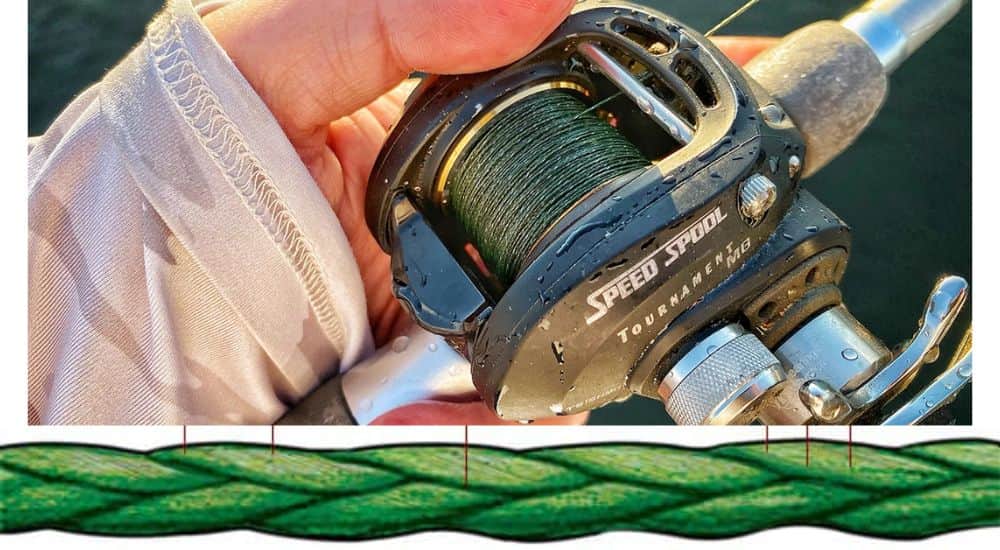
After being released a couple of decades ago, braided fishing line absolutely changed the game and gave fisherman huge advantages. But even so, it still isn’t always the best line choice.
So when to use braided fishing line? Well there are a number of different situations where braid shines, so let me break them down for you.
Times Where Braid Excels:
(In no particular order)
1. When Fishing Thick Vegetation
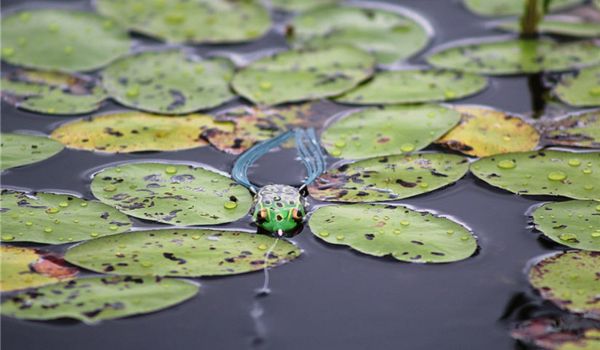
This is probably the first style of fishing that comes to mind when thinking about braided line.
Thick vegetation like lily pads, snot grass, matted grass, and other types of vegetation are much easier to fish with braided line.
There are a few reasons for this. First, braided line is very thin in diameter, so you can use very high pound test lines easily and smoothly.
This allows you to drag fish out of the thick, heavy vegetation without worrying about breaking you line.
Also, the thin diameter and rough texture of the braided line is able to cut through most vegetation, making it even easier to get fish and baits through the thick green stuff.
Plus, there are a few baits and techniques, (like the hollow body frog for example), that are designed to fish dense grass and vegetation and require braided line to utilize properly.
And you don’t need to worry about fish seeing you braided line in these areas because the green or black braided lines will blend it very well with all the surrounding grass and plant life that is essentially the exact same color.
The most important thing to understand is that the thin diameter and high strength of braided line lets you get your baits in and the fish out of pretty much any type of vegetation.
2. When Finesse Fishing (Paired with a Mono or Fluoro Leader)
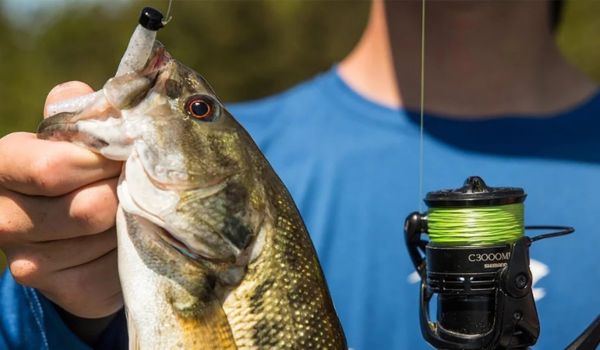
This may seem a little strange at first, because the high strength of braided line is advantageous for certain power fishing scenarios, but it is also great for light weight finesse fishing.
There are two main reasons why braid helps when finesse fishing. First, braided line is incredibly light weight.
Because it is ver thin and made of synthetic materials instead of plastic materials, the actual weight of braided line is much less than other line types.
The huge advantage of this light weight line is that you have way, way more sensitivity when fishing very small, light weight finesse baits.
The heavier fluorocarbon or monofilament lines will pull down on your rod as well as the baits themselves and reduce the sensitivity.
And it becomes much harder to feel what your lures are doing, if your getting a bite, and you also tend to overwork your small baits because the weight of the line pulls them too much.
But braided line is incredibly light weight, and it also floats in the water, so it is never really pulling down at all.
And you get a direct connection to your light weight finesse baits, giving you lots of sensitivity. And the other reason braided mainline is great for finesse fishing is that braid has zero stretch.
This just further gives you more sensitivity and a stronger connection to your baits because nothing is absorbed by a stretchier line.
You feel everything. And then as long as you are using a leader line, you don’t need to worry about fish getting a look at your line and being spooked.
Because they never actually see the more visibly braided line. For these reasons, I literally use a braid to fluorocarbon leader 100% of the time when finesse fishing.
3. Saltwater Fishing (Paired with a Mono or Fluoro Leader)
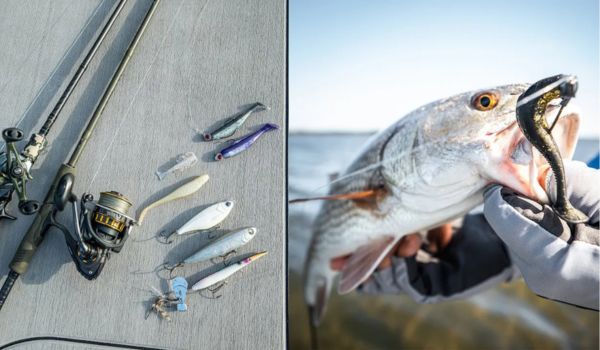
Strength, line capacity, and casting distance are paramount when saltwater fishing. First, you are going to be fighting big, strong fish that can pull a lot of drag, so you need a high strength fishing line.
But you also want a very thin line so that you can hold tons of line of the spool so that you can fight the fish properly.
And lastly, the thinner braided lines will cast much farther because of the low line diameter. And braided line is the only type that gives you the best combination of strength and line diameter.
Braided line is really the only option for almost every single saltwater fishing application. Of course, you will pair your braided mainline with a monofilament or fluorocarbon leader so that the saltwater fish don’t get spooked by the braided line.
It is kind of funny, my saltwater setups are essentially exactly the same as my finesse setups, but just everything is heavier duty.
I use a spinning rod/reel with braided mainline and a fluoro/mono leader 100% of the time for both freshwater finesse fishing and saltwater heavier duty fishing.
When Not to Use Braided Line:
Also Read: 4 Strand vs 8 Strand Braided Line
1. Treble Hooked Lures
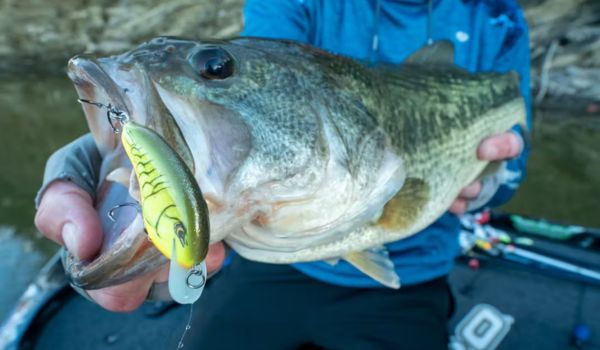
With treble hooked lures, you actually want a bit of stretch in you line. The stretch does two things.
First, it helps not rip the smaller hooks out of the fish’s mouth when it first bites your lure and you set the hook.
And second, it adds extra cushion to help keep tension in the line while fighting the fish. This makes it harder for the fish to get leverage when it is shaking its head and throw the hooks.
Treble hooked lures are notoriously easy for fish to throw, so the extra stretch makes a big difference.
Also, you won’t ever be fishing treble hooked lures in thick vegetation anyway, so the strength and line diameter aren’t as important.
And lastly, braided line floats, which makes it hard to fish baits like crankbaits and jerkbaits.
Fluorocarbon on the other hand allows you to properly fish those lures at their proper depth and give them the correct action.
2. Hard Structure
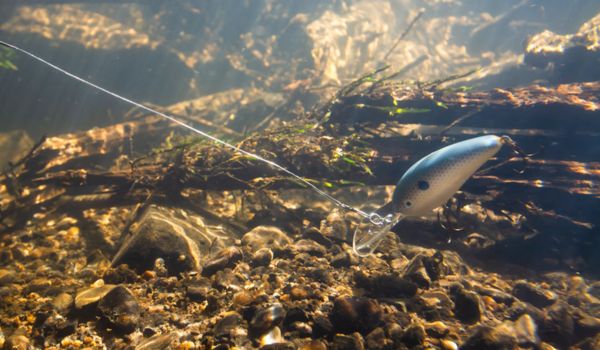
Although braided line has very high tinsel strength and a very thin diameter that is great for soft vegetation, braided line is not very abrasion resistant.
So if it is rubbing up against hard structure like wood, rocks, or metal it can get torn up and break off.
When fishing hard structures, you can still use braid as your mainline, but you want to make sure you are using either a fluorocarbon or monofilament leader because they are much more abrasion resistant.
They will be able to withstand rubbing up against hard or sharp structures much longer.
3. Open Water
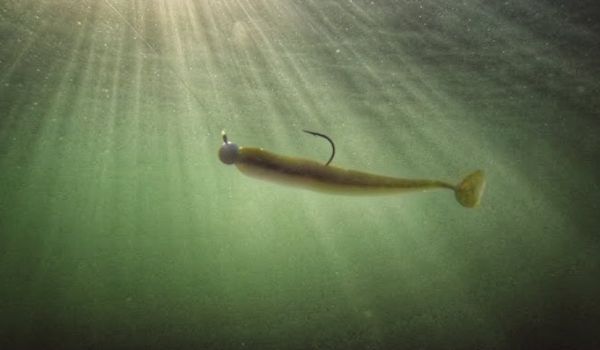
When fishing open water, you don’t need extra strength and a super thin diameter. The most important thing is having a super invisible line.
Especially because most open water fishing is done in fairly clear water, fish can see your line much easier.
Again, you can still use a braided mainline as long as you use a long enough leader line and aren’t using treble hooked lures. But most of the time, it is just easier to go with straight fluorocarbon anyway.
The Braided Line We Recommend:
Reeling this In
All in all, braided line is a powerful tool to have in your fishing arsenal, but it’s not the right choice for every situation.
By understanding the key differences between braid and other types of line, you can make an informed decision on when to tie it on and when to stick with something else.
Ultimately, the best angler is a prepared one, and having the right line for the job is a huge part of that.