Wake Bait Fishing for Bass 101
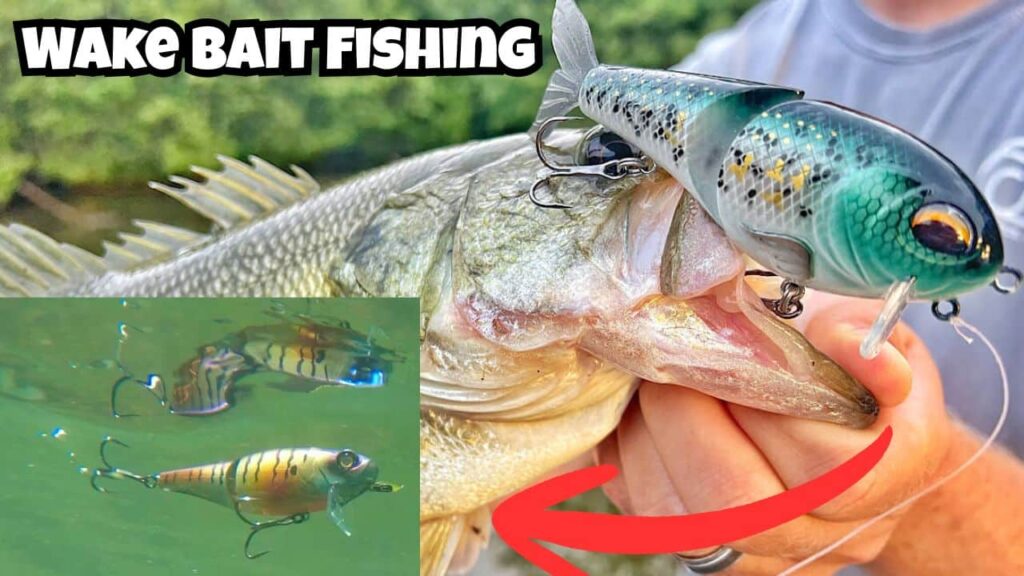
In the world of topwater fishing, wake baits are one of the lure categories that are often over looked. But that fact is one of the wake bait’s biggest strengths.
With bass seeing other topwater lures like buzzbaits, frogs, spooks, and poppers all the time, a wake bait can show the bass something a bit different.
And that can make a huge difference in the number and size of bass that you catch.
Wake bait fishing can be just as if not more productive that other topwater lures and is probably the easiest topwater lure to throw.
What is a Wake Bait?
Very simply, a wake bait is a crankbait that doesn’t dive down under the water. It stays up on the surface and creates a wake or V shape as it swims along.
A crankbait dives down and and is retrieved along the bottom. While a wake bait is doesn’t dive and is retrieved along the surface. Turning a crankbait style lure into a topwater.
Styles of Wake Baits
Although they all do the same basic thing, there are a few different styles of wake baits to choose from. And for the most part, it just comes down to personal preference and fishing style.
“Jointed Shad” Profile
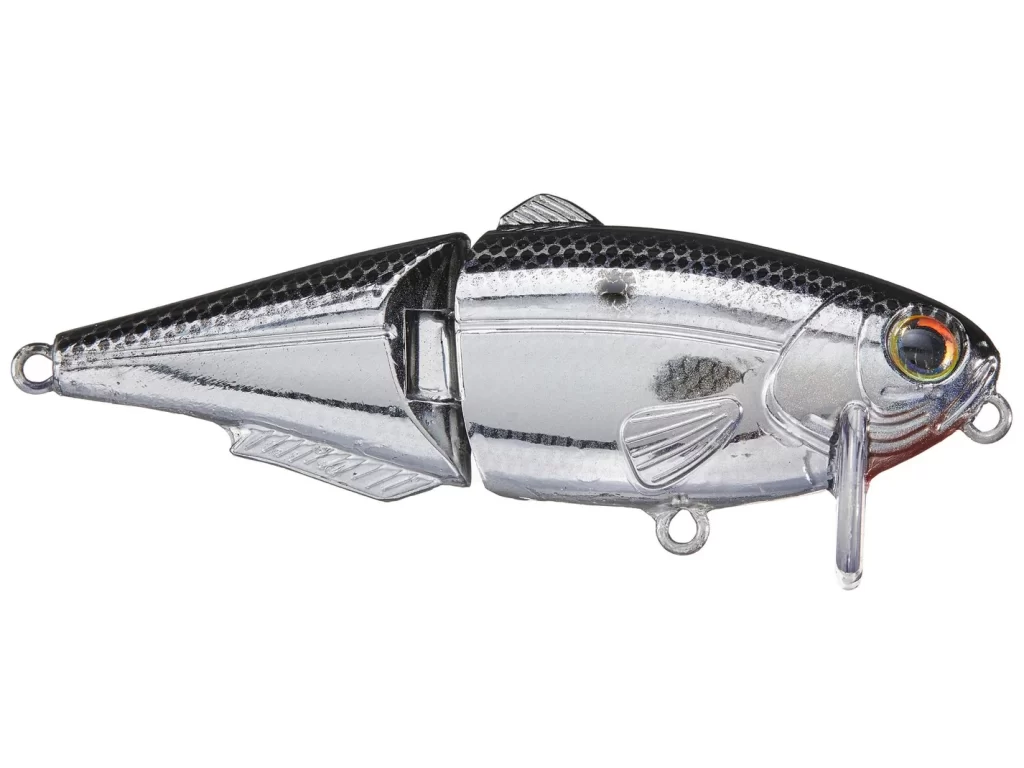
Probably the most popular style or profile of wake bait, the jointed shad is a great do everything style that has very natural swimming action because of the joint in the middle.
If you are just getting into wake bait fishing, this is probably the best starting point.
“Crankbait” Profile
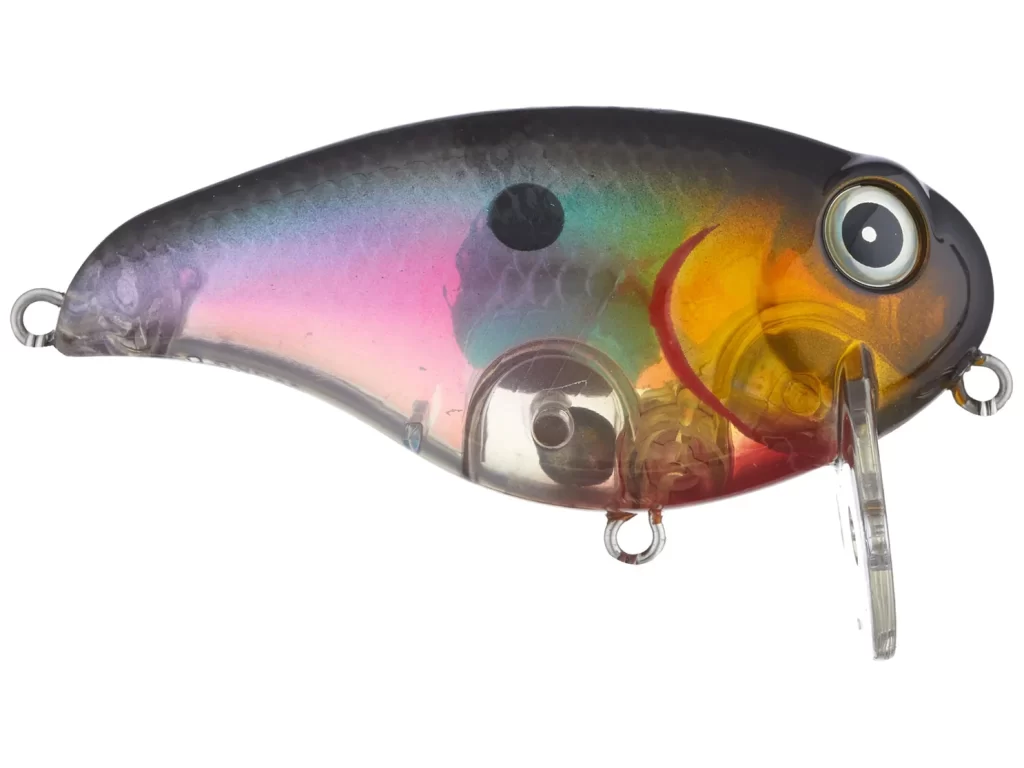
These wake baits are built with the same profile as a standard crankbait. The only real difference is the angle of the bill, which keeps the bait up on the surface.
These are the smallest profile wake baits, so if you are trying to imitate smaller baitfish, these are probably the best option.
“Minnow” Profile
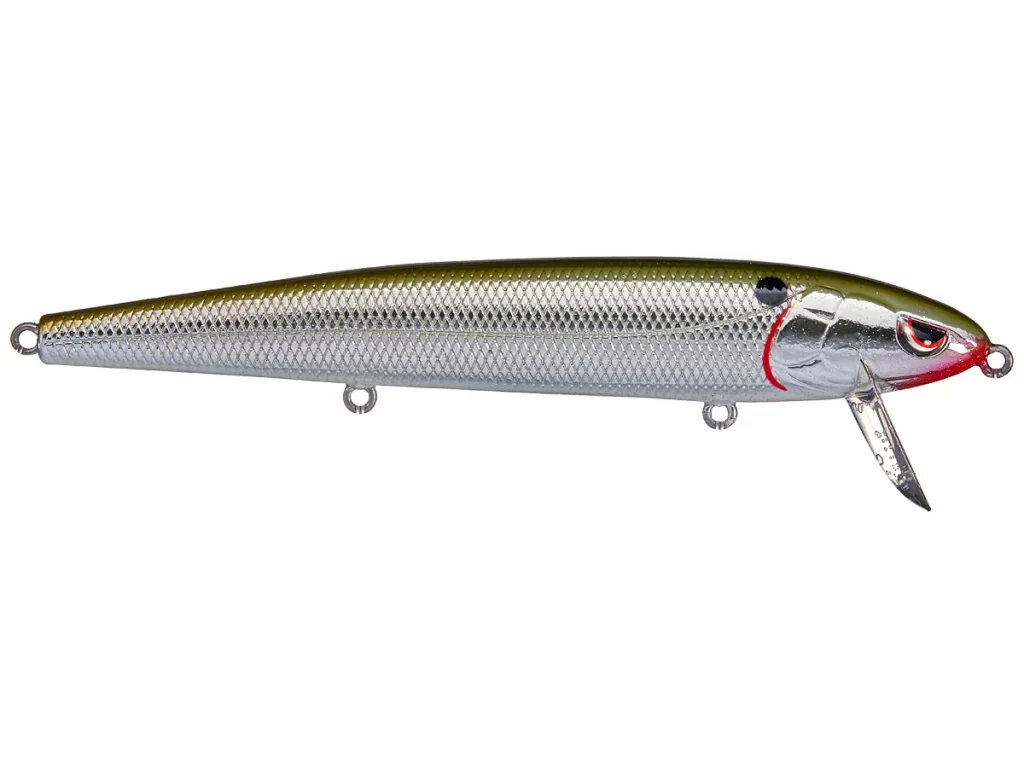
As you can see, these have more of a minnow or jerkbait profile. I actually have never fished one of these, but they would be great for imitating longer, skinnier baitfish like herring or alewife.
“Swimbait” Profile
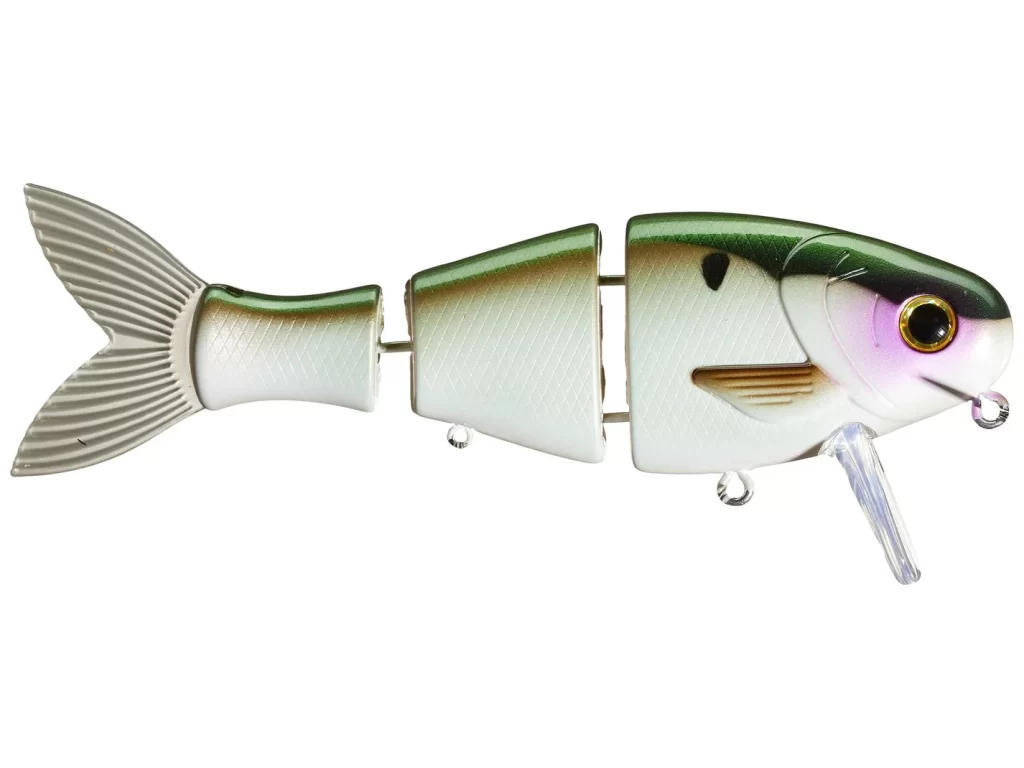
These are going to be much larger profile wake baits and actually fit in more with the big swimbait category than the wake bait or topwater lure categories.
But they function the exact same and can be a fantastic way to catch giant bass.
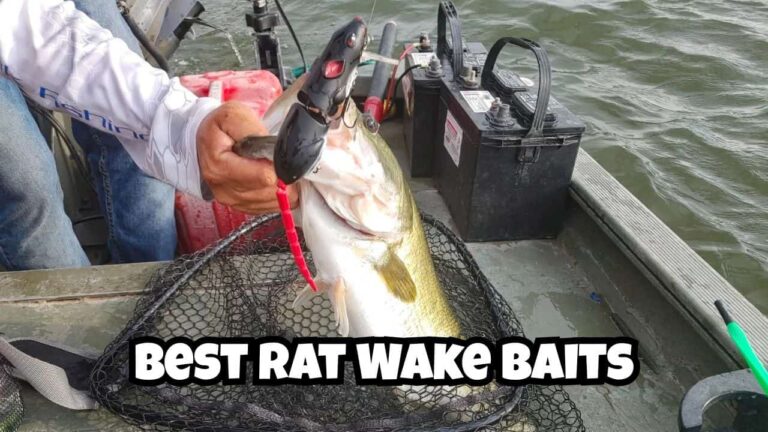
“Rat” Profile
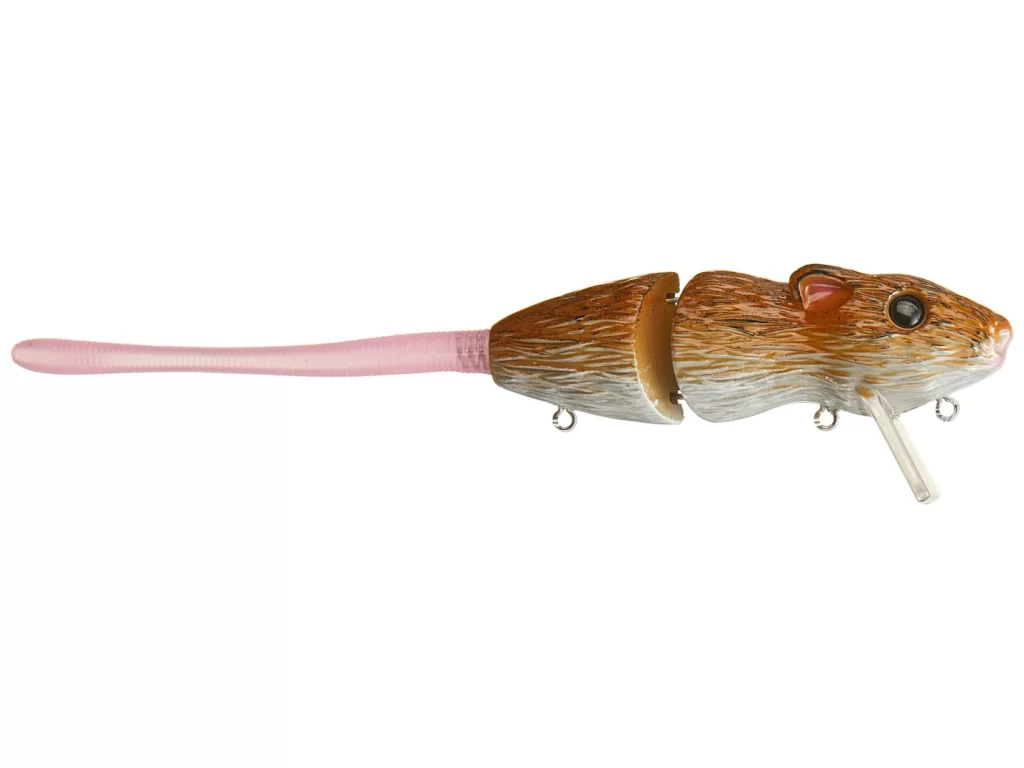
The rat wake baits are kind of a branch off of the swimbait profile wake baits and are very popular with avid big swimbait fisherman.
Much like the swimbaits, they can very a lot in size, but will just about always be on the bigger side of things and fit into the big swimbait category.
Where to Fish a Wake Bait
Shallow water is the key with wake bait fishing. Because it is a topwater lure, you don’t want to make bass have to swim way up to eat the lure.
You want to put it as close as possible to them. And because it is a towpater, it is best to fish the bait in shallow, 1-4 ft of water to get the most bites.
Now if you have a lot of vegetation underwater, you can certainly fish wake baits much deeper.
But still look for vegetation that tops out 1-4 feet under the water’s surface because bass will be hiding in the tops of the grass, waiting for an easy meal to swim along above them.
Also look for some sort of structure line that you can reel the wake bait past because bass will be holding to these in the shallow water.
That could be a grass line, a bridge, a bluff wall, or just the bank itself. Try to parallel these types of structure in the shallow water and you will get crushed!
When to Fish a Wake Bait
Really any time the water is warm, you can have lots of success on a wake bait. If the water is warm, bass will be up shallow and hitting topwater, so it’s hard to go wrong.
But there are a couple ideal situations where you will get the best results with a wake bait.
Time of Year
Like I said, as long as the water is warm, a wake bait can be great. But the post spawn period seems to be the best time of year to catch lots of bass with a wake bait.
The main reasoning is that during the post spawn, there are a lot of big bass way up shallow that are looking for easy meals.
They have just spawned, so they are still shallow. And because they went 1-3 weeks without eating anything because of the spawn, these bass are very tired, and want the easiest meal possible.
A slow wake bait that is already trapped against the surface and can’t get away is about as easy as it gets. And it is extremely hard to beat a wake bait during the post spawn period.
Weather / Timing
The biggest factor for the weather and timing is the light. You want to fish a wake bait in low light conditions.
This could be overcast or rainy days, morning and evening hours, or the middle of the night. Especially during the hot summer, night time wake bait fishing can be absolutely dynamite.
But low light conditions make the bass much more willing to eat off the surface, because they are not blinded by the sun and it is harder for birds like eagles or ospreys to hunt the bass in low light conditions.
Gear Setup
For the standard sized wake baits, your gear setup will be just about the same as a normal crankbait setup.
A 7′-7’3″ medium heavy, moderate action baitcasting combo is perfect. The only difference is that the best line to use is monofilament line because it floats and will help keep the wake bit on teh surface.
Either straight monofilament or a braided mainline to a monofilament leader will both work great. If you are using the bigger, rat or swimbait style wake baits.
You will need more of a swimbait setup to deal with the bigger, heavier baits. Upsize to a heavy power rod and 17-20 lb line, and you will be just fine.
Reeling this In
“Whether you’re looking to break a post-spawn slump or just want to show pressured bass something they haven’t seen a thousand times before, the wake bait is a must-have in your tackle box.
Its simplicity and unique surface action make it one of the most effective, yet underrated, tools in topwater fishing.
So, next time the water warms up and the light gets low, tie on a wake bait and get ready for some heart-pounding surface strikes.”