How to Fish a Wacky Rig 101 (VIDEO)
General Overview
The Wacky Rig is a popular and highly effective bass fishing technique. Here is a summary of the video’s instructions:
Wacky Rig Essentials
- What it is: The Wacky Rig is a simple setup where a stickbait worm (Senko style) is hooked directly through the middle with a finesse hook [00:29].
- Effectiveness: It is an easy-to-fish bait that catches a large number of bass, making it great for both beginners and advanced anglers [00:05].
Rigging and Bait Selection
- Hook: Use a specialized finesse hook, such as a mosquito or Nico rig hook, rather than a bulky EWG hook. Downsized hooks get more bites, especially from older, wiser bass [00:44].
- Worm: A sinko-style stickbait worm is required. Choose a natural, dull color like green pumpkin or watermelon. A baby bass color (green top/white bottom) can be useful for sight fishing [01:16].
- Durability: Use O-rings around the worm before hooking to prevent the hook from tearing the plastic. This makes the bait more durable and saves money over time [02:14].
Retrieve and Hook Set
- The Fall is Key: The most important part of the retrieve is the slow fall of the worm, as this is when the majority of bites occur [02:42].
- Action: Cast the rig out and let it slowly fall almost to the bottom. Give it two or three upward hops to bring it up in the water column, then let it sink slowly again [03:03].
- Detecting a Bite: Since the worm is falling on a slack line, it is a very visual bite. You must watch your line on the surface for a jump, fast movement, or the line moving off to the side to properly set the hook [03:28].
When and Where to Fish
- Where: Prioritize fishing near shallow water structure like docks, brush piles, grass patches, or rock piles [03:54]. Avoid fishing expansive open water, as the slow technique is inefficient in those areas [04:10].
- Season: It is a three-season bait for spring, summer, and fall [04:43]. It is not recommended for winter fishing, where bottom-contact baits like a drop shot or Ned rig are better [04:52].
- Water Conditions:
- Ideal for clearer water due to its finesse and visual nature [05:21].
- Works in stained water (6-8 inches of visibility), but should be avoided in very muddy water [05:32].
- Avoid heavy wind, as the lightweight bait is difficult to cast and the wind drags the line in the water [06:02].
Gear Setup
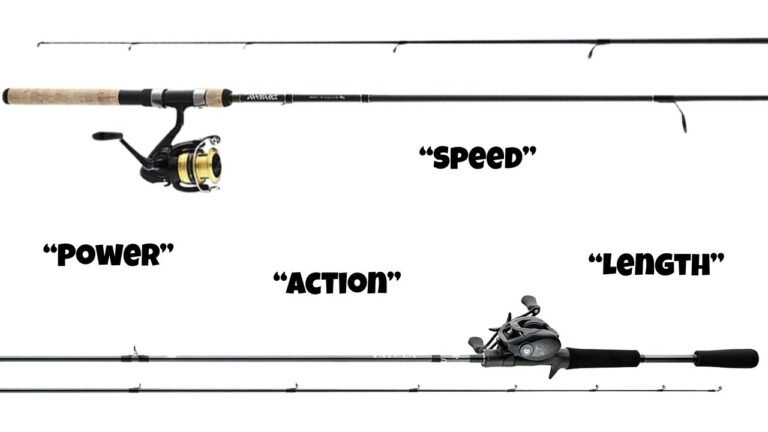
- Rod/Reel: A medium to medium-heavy action spinning setup is essential, as baitcasting gear is difficult to use with weightless rigs [06:25].
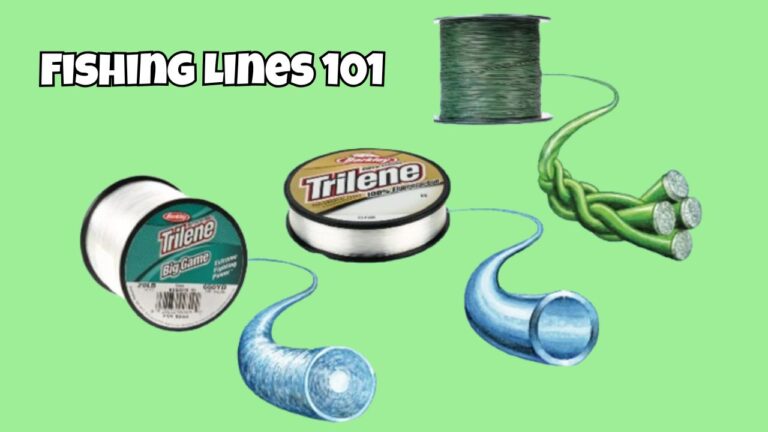
- Line: The ideal setup is a 12 lb test braided mainline with an 8 lb test fluorocarbon leader [06:31].