3 Best Glide Bait Colors for Bass Fishing
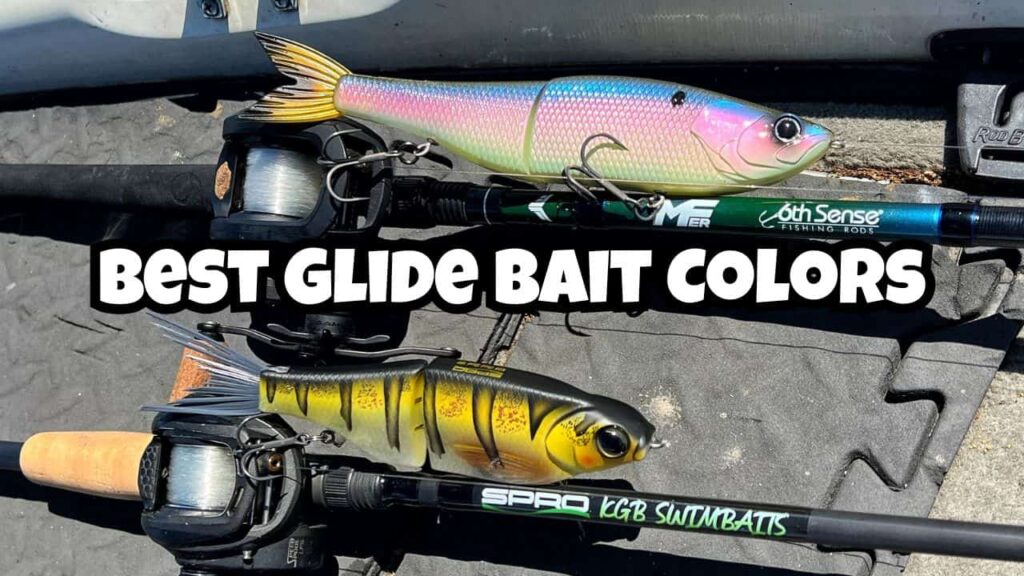
Glide bait or big swimbait fishing has become popular recently in the bass fishing world. And there is a huge variety of different glide bait sizes, shapes, swimming actions, colors, and more.
Although it is a bit more niche of a bass technique, there is tons of depth to it and you can get very far down the rabbit hole very quickly.
And one big question that a lot of guys have when picking out glide baits is what colors to choose.
It is best to keep colors as simple as possible to help you be more efficient, catch more bass, and simply save money because glide baits are the most expensive lure category in all of bass fishing.
So to keep things simple, here are the 3 best glide bait colors for bass fishing.
1. Natural Shad
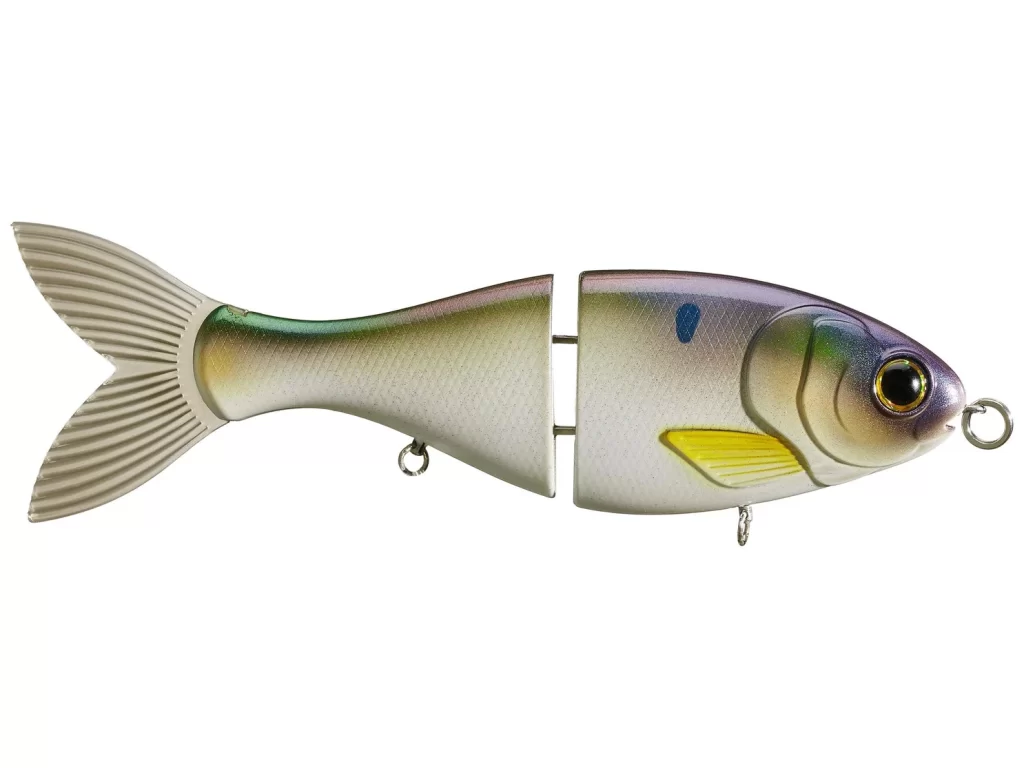
Most glide bait shapes and designs are modeled after shad. So shad is the primary forage that you are trying to imitate when glide bait fishing.
And with realism being one of the biggest advantages of big swimbait fishing, pairing the shad shaped lure with a natural shad color or paint job makes perfect sense.
Additionally, these shad colors are usually very easy to pick out because most shad look pretty much the same.
So you don’t need to worry about matching the exact sub-species or scale pattern of the lure. As long as it is a natural silver or grey shad color it will work great.
Again, most glide baits are made to look like shad based forage, so it is a good idea to match the color to the shape for the most realistic and effective lure.
2. Natural Bluegill
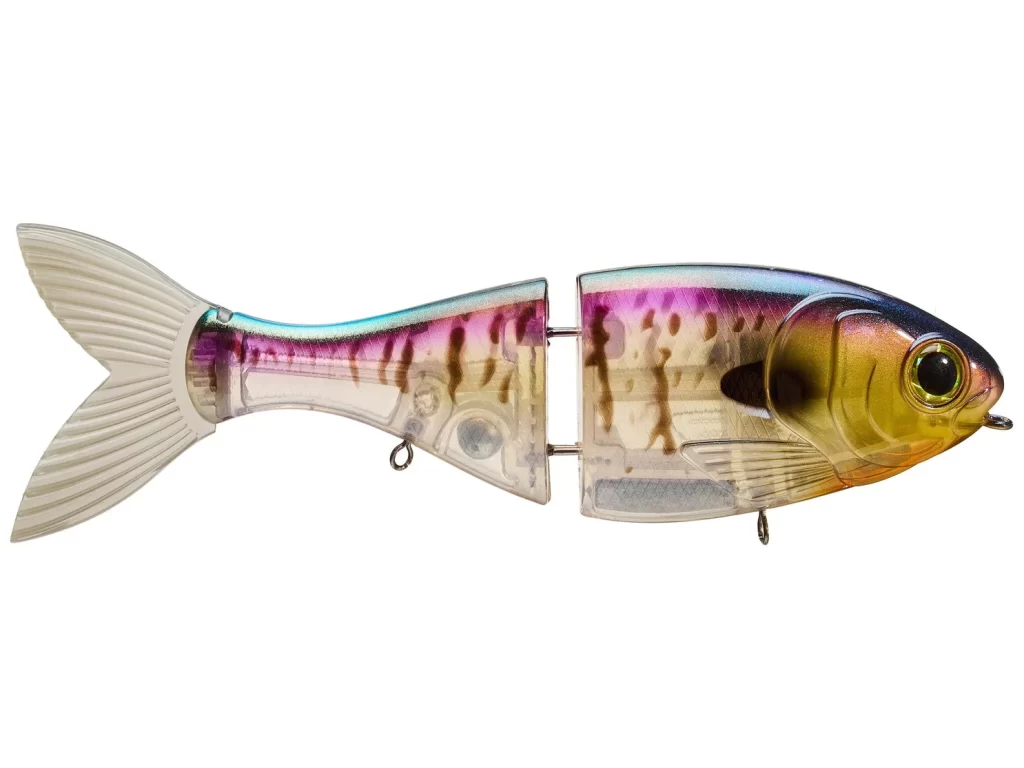
Although most glide baits are shaped like shad, there are two exceptions where bluegill colors work exceptionally well.
The first is obviously if you are simply using a bluegill shaped glide bait. They aren’t as common, but there are still plenty of bluegill profile glide baits out there to choose from.
So if you are fishing with a bluegill glide bait, it stands to reason that a natural bluegill color will be the best color option.
The other situation is if you are using a glide bait that has more of a neutral or general shape to it.
A glide bait that isn’t necessarily built to look exactly like a shad forage and could pass as a bunch of different species.
Most small glide baits actually fall into that category because smaller baits and smaller fish have much less defined shapes, structures, and details.
So if you are using one of those more generally shaped glide baits, bluegill colors can be incredibly effective.
And of course, bluegill colored glide baits work great when bass are mostly feeding on bluegill.
If you are a pond fisherman or you don’t have any shad in your lakes, bluegill colors are usually the best way to go, because even if the shape isn’t perfect, they still look more like what the bass are actually eating than any other color option.
3. Bright / Flamboyant Colors
One of the biggest advantages of a glide bait or big swimbait is that it draws a ton of attention. Big swimbaits have a huge profile and a super wide, gliding action.
Every bass nearby knows that the glide bait is there and most bass become very curious with these big baits.
That is how glide baits draw a lot of there bites. Bass simple being curious about a big, wide swimming profile bait causes them to bite the bait.
Bass don’t have hands, so if they are very curious about something, they often bite it to try and figure out what it is. Another way glide baits trigger bites from bass is more of a territorial bite.
The big, wide swimming baits get a little too close to the bass and they often will bite or try to eat the bait just to get it away from its area.
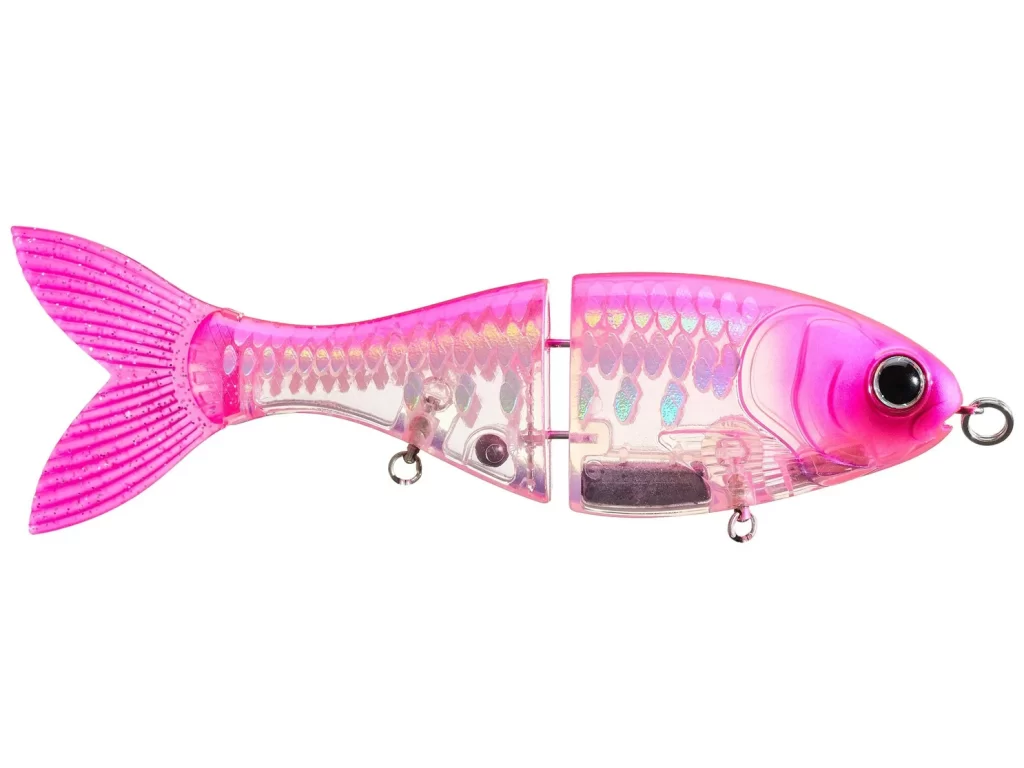
And super bright colored glide baits simple amplify both those situations. A bright pink, yellow, or bone colored fish slowly swimming by can be incredibly interesting to bass, making them even more curious and drawing more bites.
Also, a super bright, noisy, flamboyant colored bait getting a little too close the bass can trigger a territorial bite even better than natural colors.
In my opinion, these bright, flamboyant colors aren’t the best for newer swimbait fisherman, but once you get some experience and confidence fishing a glide bait, these noisy colors can open up some additional doors and get you some extra bites.
Glide Bait Fishing Basics:
The Fundamentals
- The Action: Unlike multi-jointed “swimbaits” that snake through the water, glide baits swim in a wide “S” motion.
- The Lure: They are typically flat-sided and range from 6 to 12+ inches. Popular models include the DEPS Slide Swimmer or the River2Sea S-Waver.
- The Goal: You aren’t just looking for a “hunger” strike; you’re often triggering a territorial reaction from the largest fish in the lake.
How to Fish Them
- The Slow Roll: A steady retrieve creates a natural, rhythmic S-curve.
- The Twitch: A quick snap of the reel handle or rod tip makes the bait “dart” hard to one side, often triggering a strike from a following fish.
- The Pause: These baits are usually slow-sinking. Pausing after a glide makes the bait look vulnerable or like it’s dying.
The Gear (Heavy Duty)
Since these lures can weigh anywhere from 2oz to 8oz, standard gear won’t cut it:
- Rod: 7’9″ to 8’+ Extra-Heavy action with a long handle for leverage.
- Reel: 300 or 400 size casting reel with a low gear ratio (for torque).
- Line: 20–30lb Fluorocarbon or 65lb Braid to a thick leader.
The Mindset
Pro Tip: Expect “Followers.” You will see many fish follow the bait to the boat without biting. This provides valuable intel on where big fish are holding, even if they don’t commit immediately.
Reeling this In
Glide bait fishing is a high-stakes “rabbit hole” that rewards simplicity over complexity. While the variety of gear and lures can be overwhelming, sticking to the trio of Natural Shad, Natural Bluegill, and Bright/Flamboyant colors ensures you are prepared for almost any water clarity or forage base without breaking the bank.
Success with these oversized lures isn’t just about the color, though—it’s about the synergy between your gear and your mindset.
By pairing a heavy-duty setup with a strategic retrieve, you transform a simple piece of plastic or wood into a territorial threat that the lake’s biggest bass can’t ignore.
Whether you are looking for a hunger strike or just scouting for “followers,” the glide bait remains the ultimate tool for hunters chasing a new personal best.