The 3 Best Finesse Jig Trailers
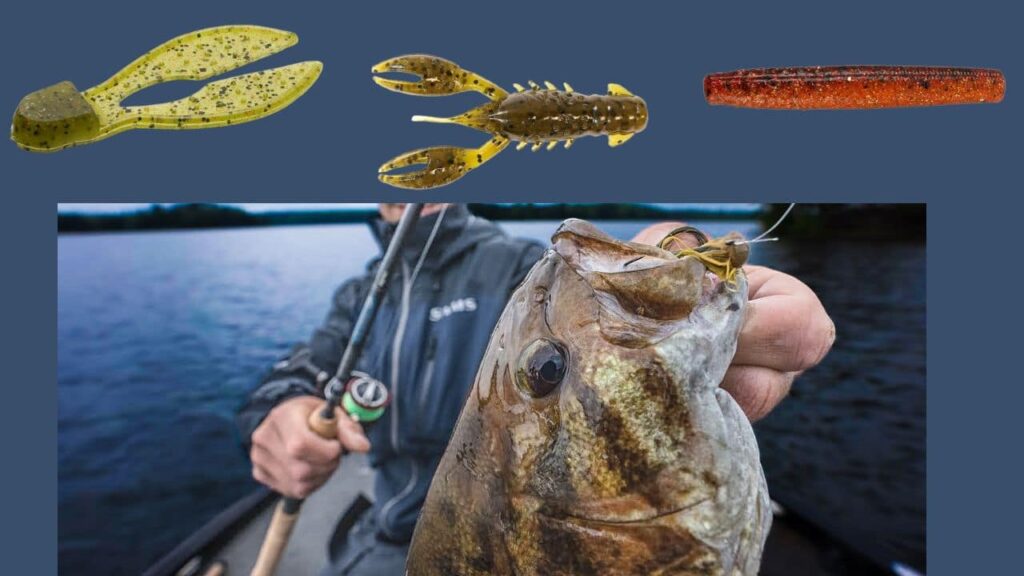
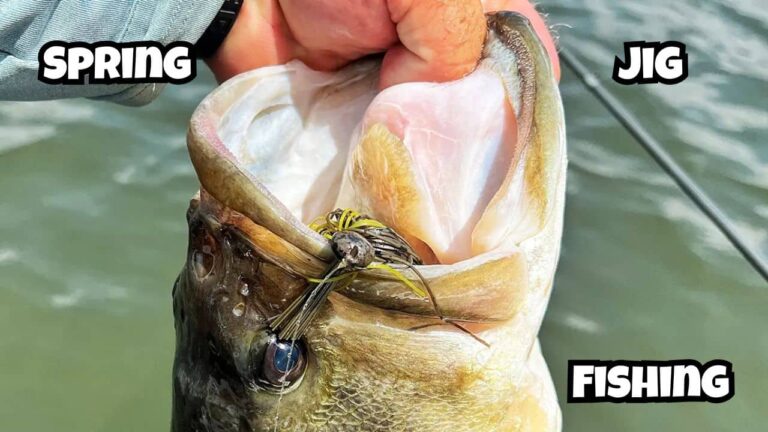
Finesse jigs are a great way to catch bass when the bite gets tough. They are still weedless, still have the incredible jig profile, but they are a bit smaller and more compact presentations that can persuade bass to bite even when they aren’t hungry.
And trailer baits are half of the equation when fishing finesse jigs or really any type of jig.
So what are the best finesse jig trailers to maximize the success of this specific bait and technique? Finesse jig trailers are very simple, so let’s quickly break it down.
Key Characteristics for Finesse Jig Trailers
- Small, Compact Profile: The biggest thing about fishing finesse jigs is showing the bass a smaller profile that they haven’t seen as much or isn’t too intimidating. So smaller trailers compliment the technique perfectly.
- Minimal Action: Less is more when it comes to finesse baits. So choosing trailers that aren’t too aggressive and don’t have very much swimming action it the better option to pair with a finesse jig.
1. Chunk Trailers
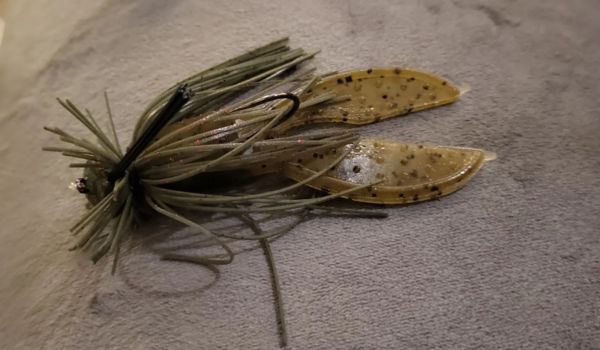
Chunk style trailers are by far my favorite choice to pair with finesse jigs. Chunk trailers are already much smaller, more compact in size just by the nature of their shape.
So you don’t sacrifice action or profile or durability by having to trim them down to match the finesse jig.
When threaded on to a finesse jig hook, chunk trailers give the overall jig a phenomenal profile and look incredibly natural.
Additionally, chunk trailers have very thin claws that sway and undulate very naturally as the jig falls, hops, or drags along the bottom.
Overall, chunk trailers just seem to look and perform better than any other trailer style when paired up with a finesse jig.
2. Realistic Craw
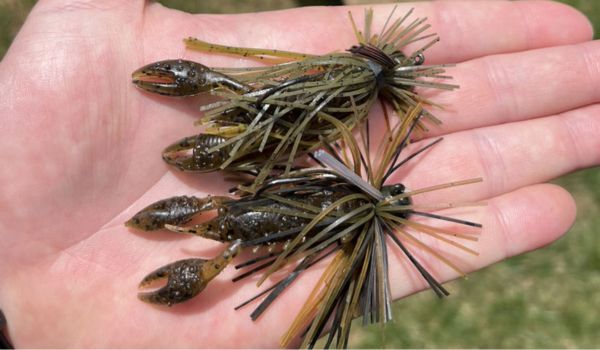
When fishing super clear water, sometimes it takes hyper realistic baits to convince bass to bite. So pairing your finesse jig with a super realistic, finesse crawfish bait can be incredibly effective.
These baits are super detailed from the claws to the eyes to the very texture of the soft plastic. They also usually come perfectly sized to pair right up with a finesse jig.
If you notice that bass are eating tons of crawfish, or you are fishing around a lot or rocks, a hyper realistic crawfish trailer can outproduce everything else there is. Especially in super clear water when it becomes very difficult to trick finicky bass.
3. Ned Worm
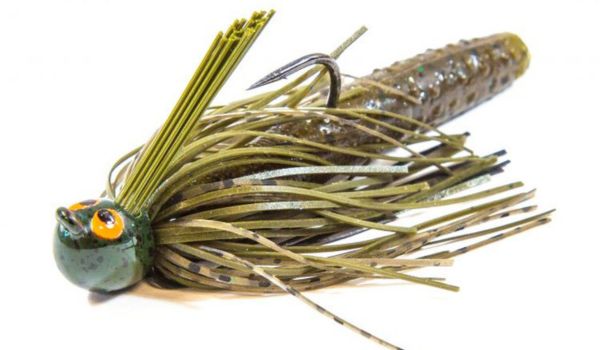
This trend started catching on a few years ago and has really shone that it can be incredibly effective. It essentially blends the simplistic nature of the Ned rig and the weedless, skirted profile of a jig.
And most bass have never seen something like that before. And when the bite gets tough, showing the bass something new is often a winning strategy.
Personally, I don’t use this trailer that much with my finesse jig fishing, but I have had some success with it and there are tons of guys I know who swear by it.
So it definitely works. Whether they bite it because it looks weird and they or curious or simply because they’ve never been caught by it before, bass certainly do bite a little stick bait on the back of a finesse jig.
When to Fish a Finesse Jig:
Finesse jigs are the “surgical” tools of the bass fishing world. While a standard flipping jig is like a sledgehammer, the finesse jig is meant for when the fish are being picky, the water is clear, or the pressure is high.
1. When the Temperature Drops (Cold Water)
In late fall, winter, and early spring, a bass’s metabolism slows down significantly. They aren’t looking for a giant, fast-moving meal; they want something small and easy to digest.
- The Vibe: Use a “spider” or “bitsy” jig with a slow, hopping retrieve.
- Why it works: The fine silicone or hair skirts provide subtle movement even when the bait is sitting almost still.
2. Post-Frontal or High-Pressure Days
We’ve all been there: a cold front moves through, the sky is “bluebird” clear, and the fish suddenly have lockjaw.
- The Strategy: Scale down. A 1/4 oz or 5/16 oz finesse jig is less likely to spook a wary fish than a bulky $1/2$ oz jig crashing into the water.
- The Target: Tighten up your casts. Fish will be tucked deep into cover (bushes, docks, or blowdowns) and won’t chase.
3. High-Traffic Areas
If you’re fishing a popular lake on a Saturday afternoon, those bass have seen a thousand standard jigs.
- The Edge: A smaller profile presents a “different look.” It mimics smaller crawfish or invertebrates that pressured fish feel safer eating.+1
4. Exceptional Water Clarity
In gin-clear water, bass use their vision more than their lateral line. A massive, vibrating lure can look “fake” under high visibility.
- Color Tip: Stick to natural tones like Green Pumpkin, Watermelon, or “PB&J” to blend into the environment.
Reeling this In
Mastering the finesse jig is all about the subtle details. When the conditions turn tough—whether it’s a sudden cold front, gin-clear water, or a crowded lake—downsizing your presentation is the most reliable way to keep the rod bending.
By pairing your jig with a compact chunk, a hyper-realistic craw, or even a minimalist Ned worm, you create a low-profile meal that even the most finicky bass can’t resist.
Remember: you aren’t trying to overpower the fish; you’re trying to outsmart them.
Keep your trailers small, your movements slow, and your colors natural, and you’ll find that “surgical” fishing often leads to the biggest rewards.