3 Keys to Spring Bass Fishing in Ponds

Winter is finally over, and the spring fishing season is getting started! And pond fishing is the quickest, easiest way to get into spring bass fishing as soon as the water temperatures start to rise, and the bite starts heating up.
So really quickly, let me go over the 3 keys to spring bass fishing in ponds. As long as you are aware of these 3 keys or rules, you’ll have tons of success this spring fishing season!
Key #1: Bass Location
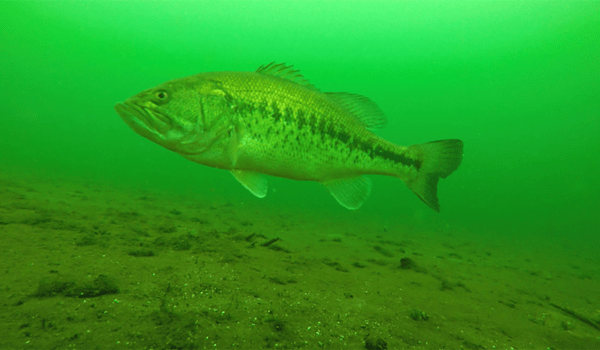
No matter what season or conditions you have, if you aren’t putting your baits where the bass are, you aren’t going to have much success.
So knowing where the bass will be positioned is crucial. Now, when it comes to spring pond fishing, location is very simple and easy.
The most important thing to understand about bass location this time of year is that they will position themselves very shallow, close up to the bank itself.
Shallow Water Warms Quicker
As the water temperatures begin to rise, the shallower water up close to the bank will warm up much faster than the rest of the pond.
So the bass, as well as just about every other fish species, will move up and hug the bank closely in order to warm their bodies up as soon as they can.
Additionally, all the other living creatures such as bluegill, crawfish, and spring insects will also get much livelier in the shallow water, which gives the bass easy feeding opportunities.
Dirty Spring Water
One factor than can pull bass off the bank and into deeper water is very clear water. The super clear water makes the bass an easier target for predators, so they prefer to not get too shallow in very clear water.
But during the spring season, there is lots and lots of rain that will wash a bunch of mud and debris into the ponds, making the water clarity much dirtier. This allows the bass to get as shallow as they want without being too vulnerable.
Main Takeaway:
Of course as a bank fisherman, you can’t really get your baits all that deep regardless of where the bass are.
But during the spring season, try to focus on casting either parallel to the bank or at a 45 degree angle to the bank.
This will keep your baits in front of the most bass for the most amount of time. Try not to just cast straight out, as less bass will be positioned in the more open, deeper water.
Key #2: Bass Feeding Habits
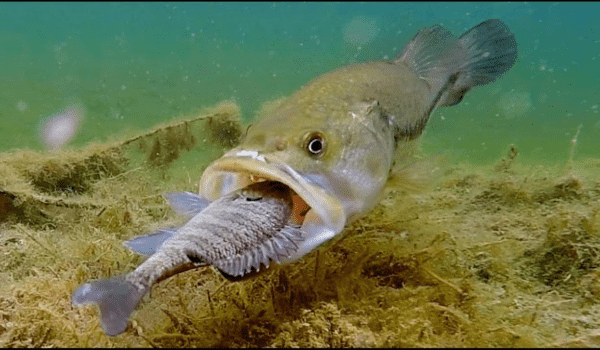
The next big factor is how bass will be feeding during the spring season. One good thing about the spring time is that bass feeding habits will be largely the same regardless of whether you are pond fishing or lake fishing.
Bass are Hungry and Aggressive
During the spring, bass are warming up, their metabolism is increasing, and they are preparing for the tiresome spawning season.
And all three of those factors mean that bass have to eat a lot during the spring. So bass will get very hungry and aggressive.
They will become much more predatory hunters as opposed to lazy, opportunistic feeders like they were during the winter. Bass are eating a lot more and will be much more willing to chase after prey.
Main Takeaway:
During the spring, bass will have to eat a lot more food and will be warm enough to chase after their prey.
Bass are also eating just about every type of forage they see, and are not too picky because they are in a hurry to fatten up before the spawn.
This makes them a lot easier to catch, and makes the spring season potentially the best time of year for pond fishing.
Key #3: Lure Selection
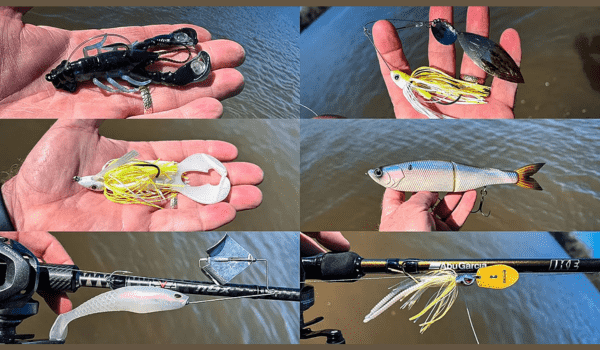
This is actually the easiest, and of course the most fun part of the equation. All you have to do is think about the first 2 keys. First, bass are up shallow close to the bank.
And second, bass are very aggressive, willing to chase, and not too picky about what they eat.
Moving, Power Lures are Best
Because bass aren’t too picky and are very aggressive, the best and most efficient way to catch as many bass as possible is to use faster moving power fishing lures.
These help you cover the most water and put your lure in front of as many hungry bass as possible. You also don’t need to worry very much about slowing way down to target deep water, sluggish bass.
Because the bass have moved up shallow. The water column doesn’t matter much when bass are only in 1-3 feet of water, because as long as your bait is in the water, it is very close to them.
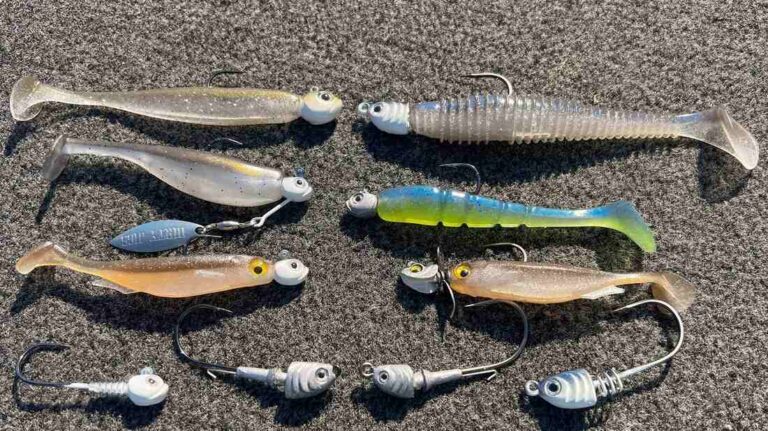
Best Spring Pond Baits
- Chatterbait (Bladed Jig)
- Spinnerbait
- Full Sized Swimbait
- Crankbait (if you have a hard or rock bottom in your pond)
Main Takeaway:
Bass are hungry, aggressive, and shallow. So use faster moving, power fishing lures like those listed above.
This will give you the most efficient and fun opportunities, and ultimately catching you the most fish when spring pond bass fishing.
Also Read: The 3 Best Pre-Spawn Baits for Ponds
When Does the Spring Pond Fishing Season Start?
In my experience, the spring season starts a lot earlier than most people think. Especially when talking about pond fishing, because the smaller ponds warm up a lot quicker than big lakes or rivers.
In my experience, the spring pond fishing season really starts around mid to late March. Mid March if you live closer to the South and late March if you live closer to the North.
Reeling this In
Spring is arguably the most exciting time to be a pond angler. By focusing on shallow banks, capitalizing on the bass’s increased aggression, and sticking to fast-moving power lures, you set yourself up for a high-action season.
Don’t wait for the heat of summer to arrive—grab your chatterbaits and spinnerbaits as soon as late March hits. The fish are shallow, they’re hungry, and they’re waiting for your lure. Tight lines!